NK Pag is going through a change process that is not only technical, but also organizational. The idea is not to "modernize the club because of the trend", but to create an environment that is sustainable in the long term. A successful club today depends not only on results, but on how it functions internally — how it communicates, plans, shares information and involves people.
From club to organization
Digital transformation does not mean only new tools, but a change in the way of thinking. The club is no longer just a team and a match, but also people, data and processes. The goal is to create a structure where everyone knows their part of the job, where information is not lost and where you can clearly see what is being done and why.
This process does not happen overnight. We started a little over a month ago and we are aware that there will be mistakes. Sometimes something will be late, sometimes we'll misplace something, but that's part of the journey. It is better to have a system that learns and changes, than a perfect version that never starts.
Data as a basis
The club is building a knowledge base about everything it does — from players and matches, to members, projects and partners. All this helps us to have a clear overview of the situation and that decisions are not made "by feeling", but based on real data. Knowing how many active members we have, how many children train, how many volunteers help — that is the basis for better planning and responsibility.
Data is not there to replace people, but to make their work easier. They show us where we are wasting time, where something is not working and where we can be better. It's an approach that makes the club smarter, not just bigger.
New rhythm and way of management
Transformation also means a new rhythm of work. Less spontaneity, more planning. Less "let's do this now", more "we know what we are doing and when". Every decision has a context, and every project has a goal and a measure of success. The club thus becomes an organization with a clear direction, not a collection of enthusiasm that has to be constantly explained from the beginning.
New ways of cooperation are being introduced — from the coordination of the sports part and administration, to the planning of activities, training, communication and content. Everything that is done becomes visible and repeatable. The point is not for everything to be perfect, but for it to be clear enough that everyone can get involved and help.
Phases of transformation
The process is divided into three simple phases that build on each other:
- 1. Structure: listing everything the club does and defining who leads what, in order to reduce dependence on individuals.
- 2. Automation: introduction of tools that speed up daily work — applications, member bases, announcements, communication.
- 3. Connectivity: connecting all parts into a single system — support, club products, partners, events and community.
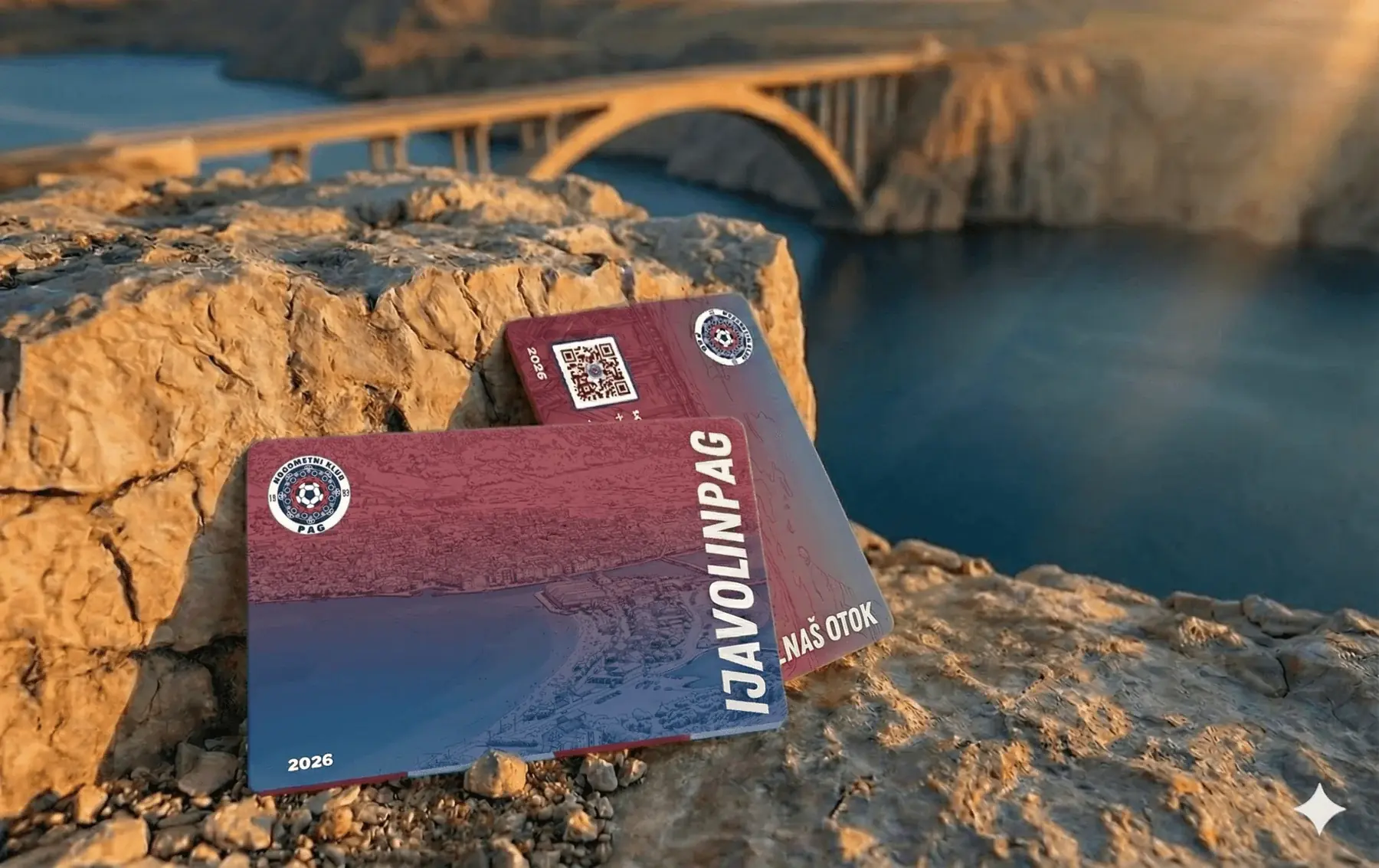
We are currently working on the first and second phases. The support system and digital offer are planned for the beginning of 2026, when all components will be combined into a whole.
Approach and philosophy
The biggest change is not in technology, but in the way of thinking. Digital transformation is not a goal — it's a tool that helps us work smarter. We don't want to become a corporation, but a club that knows what it's doing, that builds its identity through consistency and transparency.
We know there will be mistakes. We know that some ideas will be good and some will fail. But it is important that the process exists and that something is learned from each mistake. This is the core of this transformation — creating a culture of learning, where every mistake becomes a new lesson, not a reason to give up.
The long-term goal is simple: less lost information, clearer responsibilities and more time for sports work. We will monitor progress through practical indicators such as faster processing of applications, more orderly records and timely communication.